As global regulations tighten and stakeholders continue to demand transparency, decarbonisation has become one of the defining challenges, and in many cases opportunities for today’s business.
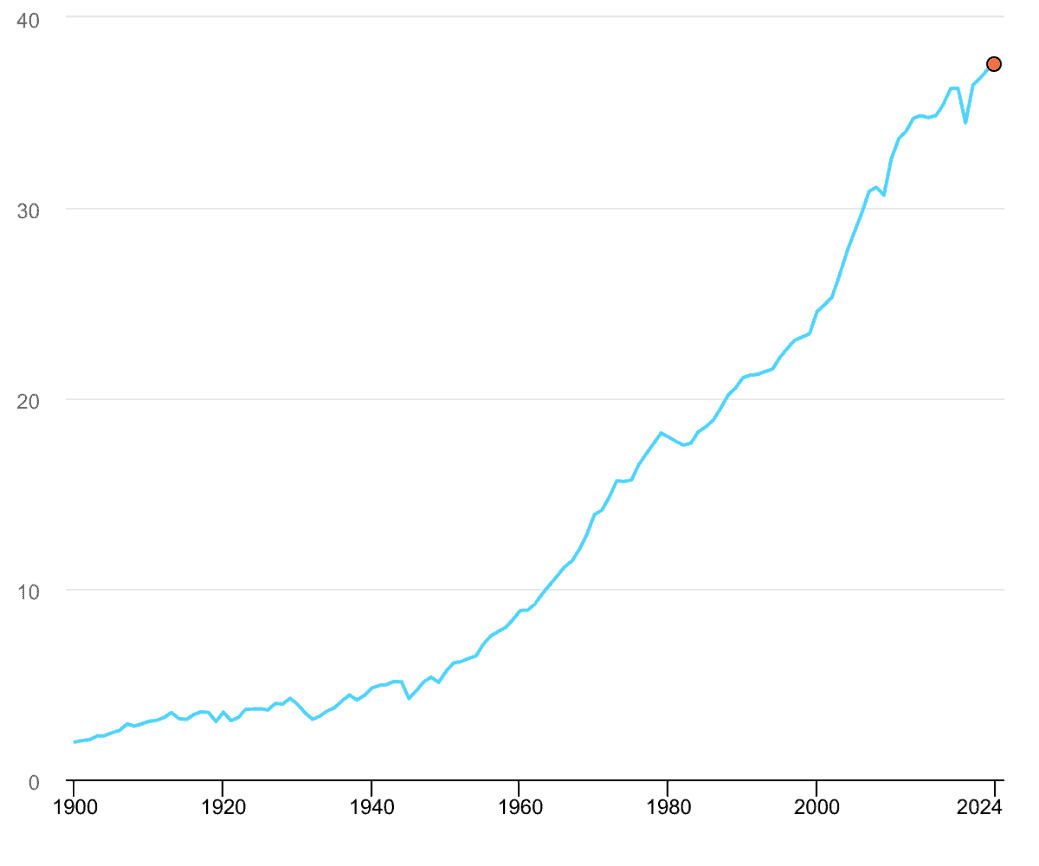
Decarbonisation is no longer a future-facing ambition, it’s become a business essential. Global greenhouse gas emissions continue to climb, with energy-related CO₂ emissions hitting an all-time high of 37.8 gigatonnes in 2024 (IEA). Meanwhile, value chains across industry account for nearly 30% of total emissions (World Economic Forum), highlighting the scale of opportunity for companies to act.
In this blog, you’ll explore what decarbonisation is, why it matters to every organisation, and how you can take practical steps to reduce emissions and contribute to global efforts to limit warming to 1.5 °C in line with the Paris Agreement. Because achieving a low-carbon future will depend on every business playing its part.
What is Decarbonisation?
Decarbonisation refers to the process of reducing or eliminating carbon dioxide (CO₂) and other greenhouse gas (GHG) emissions generated by human activities, from how we produce energy and manufacture goods, to how we move, build, and consume. At its core, it’s about transitioning from fossil fuel–based systems to low- and zero-carbon alternatives, such as renewable energy, electrification, energy efficiency, circular economy practices, and sustainable supply chains.
For businesses, decarbonisation means identifying and reducing emissions across Scopes 1, 2, and 3. Those emissions don’t only occur within operations but also throughout the entire value chain. It often involves setting targets, (ideally science-based), improving data visibility, engaging suppliers, and embedding low-carbon thinking into decision-making and investment strategies.
The goal of decarbonisation is not only to meet regulatory and investor expectations, but to align with global efforts to limit temperature rise to 1.5 °C above pre-industrial levels, as outlined in the Paris Agreement. In short, decarbonisation is both a strategic business priority and a collective climate responsibility.
Why Decarbonise?
| Contributing to Global Climate Goals | Creating Business Value and Reducing Risk |
|---|---|
| The science is clear, to keep global warming below 1.5 °C, global GHG emissions must decline by nearly 45% by 2030 and reach net zero by 2050 (IPCC, 2023). | Decarbonisation also makes sound business sense. |
| Every sector, from energy and transport to manufacturing and services, has a role to play. | Companies that actively reduce emissions improve operational efficiency, cut energy and resource costs, and attract investors seeking low-carbon portfolios. |
| Decarbonisation at the organisational level contributes directly to this collective effort, helping to stabilise the climate, reduce extreme weather impacts, and protect natural and human systems. | Customers, employees, and regulators increasingly favour organisations with credible climate strategies. Conversely, failing to act exposes businesses to transition risks such as rising carbon prices, supply chain disruption, and reputational damage. |
| Beyond compliance, it’s about demonstrating leadership, responsibility, and alignment with the world’s most critical sustainability goal, a liveable planet. | By decarbonising early, organisations not only build resilience but position themselves for long-term competitiveness in a rapidly evolving global economy. |
HOW TO DECARBONISE?
There’s no single path to decarbonisation, every organisation’s journey depends on its size, sector, and operational footprint. However, a structured and data-driven approach ensures that progress is measurable, credible, and aligned with recognised standards.
- Establish your emissions baseline.
Begin by measuring GHG emissions across Scopes 1, 2, and 3, following frameworks such as the GHG Protocol or ISO 14064. Understanding where emissions originate, from energy use to supply chain activities, sets the foundation for change. - Set science-based targets.
Define short- and long-term emission reduction goals aligned with the Science Based Targets initiative (SBTi) and the Paris Agreement’s 1.5 °C pathway. These targets create accountability and guide investment decisions. - Develop and implement reduction strategies.
Adopt energy efficiency measures, switch to renewable energy, optimise logistics, and engage suppliers to address value chain emissions. Innovation, circular economy principles, and low-carbon design can yield significant results. - Integrate, monitor, and report.
Embed decarbonisation into business strategy, governance, and procurement. Use digital platforms like KubeNest to automate data collection, track progress, and ensure compliance with evolving reporting frameworks such as ISSB, AASB and CSRD.
Decarbonisation is more than a sustainability goal, it’s a strategic necessity for building resilient, future-focused organisations and contributing to the global 1.5 °C ambition.
Real progress requires visibility, reliable data, and accountability across every part of the value chain. KubeNest helps organisations move from commitment to action by simplifying emissions measurement, automating reporting, and integrating climate performance into everyday decision-making.
Now is the time to act with purpose. Explore how KubeNest can support your decarbonisation journey, from understanding your footprint to achieving transparent, assurance-ready climate disclosures.